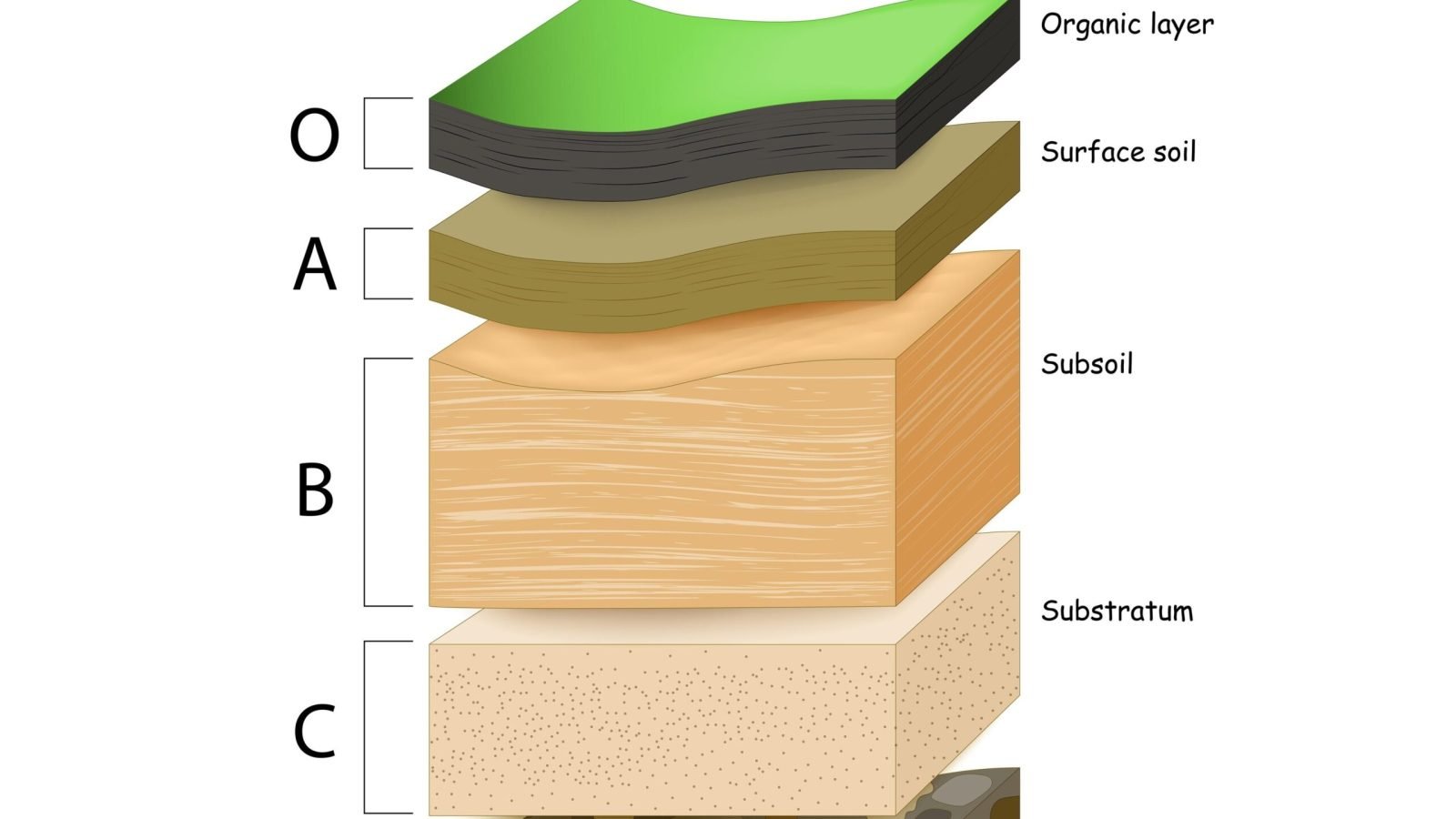
Soil is not merely “dirt”; it is a complex, living ecosystem that serves as the foundation for all terrestrial life. For gardeners, farmers, and land managers, the transition from viewing soil as a substrate to treating it as a biological engine is the first step toward sustainable productivity. When we talk about soil amendment, we are discussing the deliberate process of enhancing the physical, chemical, and biological properties of the earth to foster optimal plant growth.
Shutterstock
1. Understanding the Pedosphere: The Basics of Soil Composition
Before applying any amendments, one must understand the “Texture Triangle.” Soil is primarily composed of three particles: sand, silt, and clay. The ideal balance, often referred to as “loam,” provides the perfect environment for root penetration, moisture retention, and nutrient exchange.
However, many landscapes suffer from imbalances. Heavy clay soils offer high nutrient density but poor drainage and aeration, leading to root rot. Conversely, sandy soils drain too quickly, leaching vital nutrients before plants can absorb them. Amendment is the bridge that narrows these gaps.
2. The Chemical Balance: pH and Cation Exchange Capacity (CEC)
Chemical amendments are often the first line of defense in soil restoration. The acidity or alkalinity of your soil—measured on the pH scale—determines nutrient availability. Most crops thrive in a slightly acidic to neutral range (pH 6.0 to 7.0).
- To Raise pH (Decrease Acidity): Applications of agricultural lime (calcium carbonate) or dolomite are standard.
- To Lower pH (Decrease Alkalinity): Elemental sulfur or aluminum sulfate is often integrated to assist acid-loving plants like blueberries or azaleas.
Beyond pH, we must consider the Cation Exchange Capacity (CEC). This is a measure of the soil’s ability to hold onto positively charged nutrients like Potassium ($K^+$), Calcium ($Ca^{2+}$), and Magnesium ($Mg^{2+}$). Soils high in organic matter or clay typically have a higher CEC, acting as a reservoir for plant food.
3. Organic Matter: The “Black Gold” of Soil Health
If there is a “silver bullet” in soil science, it is Organic Matter (OM). Incorporating compost, well-rotted manure, or leaf mold provides a multitude of benefits:
- Structural Improvement: In clay, organic matter creates “pockets” for air and water. In sand, it acts as a sponge to hold moisture.
- Biological Fuel: It provides the carbon source necessary for soil microbes and earthworms to flourish.
- Slow-Release Nutrition: Unlike synthetic fertilizers that provide a sudden “spike,” organic amendments break down slowly, offering a steady stream of N-P-K (Nitrogen, Phosphorus, and Potassium).
4. The Role of Mycorrhizal Fungi and Soil Biotics
Modern soil science has shifted focus from chemistry to biology. We now know that plants form symbiotic relationships with Arbuscular Mycorrhizal Fungi (AMF). These fungi attach to plant roots and extend their hyphae far into the soil, effectively increasing the root surface area by up to 1,000 times.
By amending soil with fungal inoculants and avoiding heavy tilling (which shatters these delicate networks), we can create a “Wood Wide Web” that transports phosphorus and water directly to the plant in exchange for sugars produced through photosynthesis.
5. Inorganic Amendments for Structural Integrity
Sometimes, organic matter isn’t enough to fix drainage issues. This is where inorganic, mineral-based amendments come into play:
- Perlite: A volcanic glass that is heated until it “pops.” It is excellent for aeration.
- Vermiculite: A hydrous phyllosilicate mineral that excels at water retention.
- Gypsum (Calcium Sulfate): Often used to “flocculate” heavy clay soils, helping to break up the tight structure without significantly altering the pH.
6. Cover Cropping: The Living Amendment
Amendment doesn’t always come in a bag. Cover crops (or “green manure”) are plants grown specifically to be turned back into the soil.
- Legumes (like clover or vetch) have a unique ability to “fix” atmospheric nitrogen into the soil using specialized bacteria in their root nodules.
- Tillage Radishes can grow several feet deep, acting as biological drills to break up compacted subsoil layers.
7. The Dangers of Over-Amendment
A common mistake in land management is the “more is better” fallacy. Over-amending with phosphorus can lead to runoff that causes algal blooms in local waterways. Excessive nitrogen can lead to lush, weak growth that attracts pests.
The golden rule of soil restoration is: Test, don’t guess. A professional laboratory soil test is the only way to determine exactly what your land requires.
Summary Table: Amendment Quick-Reference
| Problem | Recommended Amendment | Primary Benefit |
| Compaction | Gypsum or Aeration | Improves drainage and oxygen flow |
| Low Fertility | Compost / Fish Emulsion | Boosts microbial life and N-P-K |
| Fast Drainage | Biochar / Peat Moss | Increases water-holding capacity |
| High Acidity | Garden Lime | Raises pH to unlock nutrients |
| Nutrient Leaching | Zeolites | Increases Cation Exchange Capacity |
Conclusion
Soil amendment is a marathon, not a sprint. It takes years to build an inch of topsoil, but with consistent, science-based intervention, any “dirt” can be transformed into a thriving, resilient ecosystem. By balancing the physical structure, chemical availability, and biological vitality of your soil, you aren’t just growing plants—you are stewarding the earth.