
Recently, while chatting with some local small business owners and farmers here in Miami, a lightbulb suddenly went off. I realized that something I thought everyone knew about—worm castings—is actually a complete mystery to most people. Many had never even heard of it!
When I started explaining what worm poop can do for soil, people were genuinely intrigued. But almost immediately, the same questions popped up: “How do I actually use it?” and, most importantly, “Is it going to burn my plants’ roots?”
It surprised me how big this information gap really is. But it makes sense. Worm castings aren’t talked about everywhere because they can be pricey, and they’re still a bit of a niche market. Most farmers stick to what they know: cow or chicken manure, or compost made from leaves and plant scraps. Plus, there’s the big question of volume—if you run a decent-sized farm, relying solely on worm castings just isn’t realistic or affordable.
That’s why I wanted to write this down: to share a simple, honest breakdown of what worm castings actually are, why they work, how they compare to regular soil or fertilizers, and how you can use them without breaking the bank.

Pure, rich worm castings—odorless, full of natural microbes, and ready to nourish your soil.
1. What Are Worm Castings, Really?
In short, worm castings are just worm poop. But it’s not like raw animal manure.
When worms eat organic stuff (like fruit scraps, leaves, or aged manure), their gut breaks it all down, neutralizes it, and packs it full of healthy soil bacteria. What comes out the other end is a rich, dark, earthy material that smells like a fresh forest floor.
It’s completely broken down, totally odorless, and ready for plants to use right away.
2. Will It Burn My Plants? (The #1 Question)
Short answer: No, absolutely not.
Unlike chemical fertilizers or fresh cow manure, worm castings will never burn your plant roots—even if you put a delicate young seedling directly into a pile of 100% worm castings.
- Chemical fertilizers and raw manures are high in harsh salts and nitrogen. If you use too much, they suck the moisture out of roots and “burn” them.
- Worm castings are completely natural, mild, and neutral. The nutrients are locked in a form that releases slowly as the plant needs food.
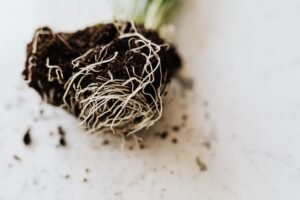
3. How Are They Different from Regular Fertilizer or Manure?
| Feature | Chemical Fertilizer | Cow / Chicken Manure | Worm Castings |
|---|---|---|---|
| Root Burn Risk | High | High (if not aged) | Zero Risk |
| Weeds & Pathogens | None | May carry weed seeds & bacteria | Clean & pathogen-free |
| Soil Microbes | Kills soil life over time | Medium | Extremely rich in beneficial microbes |
| Main Benefit | Quick growth spike | Adds bulk organic material | Rebuilds soil health & boosts roots |
- Chemical Fertilizer: It’s like an energy drink for plants. It gives a fast burst of growth, but it leaves nothing good behind in the dirt and can damage your soil over time.
- Cow / Chicken Manure: Great for adding bulk organic matter, but if it isn’t fully composted, it can carry weed seeds, bad bacteria, and burn your roots with high salt.
- Worm Castings: Think of it as a vitamin shot + soil builder. It doesn’t just feed the plant; it brings dead soil back to life by adding millions of tiny, beneficial microbes.
4. A Quick Heads-Up: It’s a Marathon, Not a Sprint
If you’re looking for a quick fix that makes your plants explode overnight, worm castings might disappoint you. Chemical fertilizers are like a fast shot of energy—they give you quick growth, but they leave your soil tired and empty in the long run.
Worm castings work differently. They are a long-term investment in your soil’s health.
- In 1 to 2 weeks: You’ll notice stronger baby roots and less transplant shock.
- In 1 to 3 months (about one growing season): The beneficial microbes will build up in your dirt, making it softer, better at holding water, and much healthier for plants to thrive.
If you want quick, temporary results, stick to chemical feeds. But if you want to rebuild your soil so it stays rich and productive year after year, worm castings are worth the wait.

5. How to Use It Without Breaking the Bank
You don’t need to cover your whole field with worm castings to see huge results. Since it’s full of living microbes, a little bit goes a long way.
Here are three practical ways to use it efficiently:
- For Starting Seeds & Baby Plants:
Mix just 10% to 20% worm castings into your regular potting soil. It gives baby roots the best possible start, helping seeds sprout faster and grow stronger. - In the Planting Hole (Targeted Use):
When you’re transplanting a tomato, pepper, or fruit tree, throw just one small handful directly into the hole before putting the plant in. This puts the good stuff right where the roots can grab it. - Make “Worm Tea” (Best for Bigger Gardens & Farms):
You can soak a couple of cups of worm castings in a bucket of clean water with an air bubbler for 24 hours. The good microbes multiply like crazy in the water. You can then spray this liquid over your garden or run it through your irrigation lines. It stretches a tiny amount of castings across a huge area!
The Bottom Line
Worm castings aren’t a magical cure-all, and nobody expects a commercial farmer to replace truckloads of compost with it. But as a targeted tool to boost root growth, protect plants from diseases, and bring tired soil back to life, it’s hard to beat.